Pallet Racking Selection
Pallet Racking Selection & Layouts: Stop Wasting Floor Space and Optimize Your Storage Density
Identify Which Racking Works best for Your Inventory
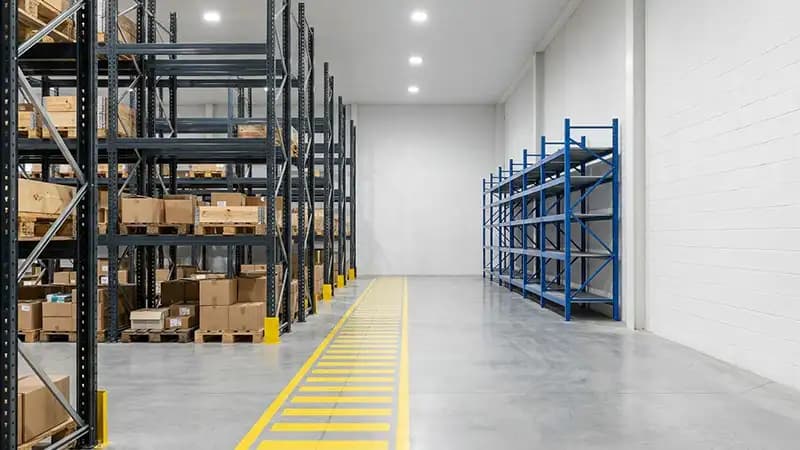
Fig 1.1: Warehouse racking layout plan.
When your warehouse starts running out of space, your first instinct might be to look for a bigger building. In today's high-cost real estate market, that is a million-dollar mistake. Moving is expensive, disruptive, and often unnecessary.
Most warehouses are not actually full—they are just badly organized. They waste thousands of square feet of vertical height and use layout configurations that choke forklift traffic and slow down pick times.
Choosing the right pallet racking system and optimizing your floor plan can double your storage capacity in your current footprint, keeping your overhead low and your operations smooth.
1. The Right Rack for the Job: Pallet Racking Types Explained
Different inventory profiles require different storage hardware. Installing the wrong racking type will lead to damaged inventory, slow pick cycles, or wasted air space.
Selective Pallet Racking (The Industry Standard)
This is the most common racking style.
- How it works: Pallets sit on horizontal beams supported by upright frames. Every single pallet is immediately accessible (100% selectivity).
- The standard design: Teardrop racking is the dominant selective style. The beams have shaved rivets that slide into teardrop-shaped holes on the uprights, locking into place without tools or bolts.
- Best for: Warehouses with high SKU counts, fast-moving items, and standard forklifts.
Cantilever Racks (For Bulky, Long Materials)
- How it works: Pallets sit on horizontal beams supported by upright frames. Every single pallet is immediately accessible (100% selectivity).
- The standard design: Teardrop racking is the dominant selective style. The beams have shaved rivets that slide into teardrop-shaped holes on the uprights, locking into place without tools or bolts.
- Best for: Warehouses with high SKU counts, fast-moving items, and standard forklifts.
Drive-In Racks (High-Density LIFO)
- How it works: Forklifts drive directly into the racking bays to stack pallets several levels deep on continuous support rails. It runs on a Last-In, First-Out (LIFO) inventory flow.
- The standard design: High-volume, low-SKU inventory with long shelf lives (like cold storage or beverage distribution) where maximizing storage density is the only priority.
Warehouse Mezzanines (Instant Second Floor)
- How it works: Heavy-duty elevated steel platforms are erected above the existing warehouse floor.
- The standard design: Creating a second level of space for small-parts picking, packaging stations, offices, or light assembly without expanding the physical building.
2. Aisle Layout: Selective vs. Narrow vs. Very Narrow (VNA)
The width of your aisles determines how much pallet racking you can cram into a warehouse.
- Standard Aisles (12 feet wide): Required for standard sit-down counterbalanced forklifts. Easy to navigate but wastes a massive amount of floor space on driving lanes.
- Narrow Aisles (8 to 10 feet wide): Used with stand-up reach trucks. Allows you to pack 20% to 30% more racking rows into the same footprint.
- Very Narrow Aisles (5 to 6 feet wide): Requires specialized Wire-Guided Turret Trucks or Articulated Forklifts (like a Bendi or Aisle-Master). This is the ultimate space-saving configuration, squeezing up to 50% more pallet positions into your warehouse.
Request a Consultation
Call us today at (909) 513-2526 or visit wdracks.com/contact to claim your custom layout consultation. We serve all 48 continental states.
3. Pallet Racking Safety: Built-In Protection
An optimized layout is worthless if a forklift operator clips a frame and collapses an entire row of racking. Safety must be engineered directly into your floor plan from day one.
- Anchor Bolts: Every single upright column must be anchored directly to the concrete slab with approved concrete anchor bolts. Unanchored racks are an immediate OSHA citation.
- Column Protectors (Post Protectors): Heavy steel guard shields bolted to the concrete directly in front of the uprights at high-traffic intersections. These deflect forklift impacts and protect the structural frames.
- Row Spacers: Rigid steel spacers that connect back-to-back rack rows, ensuring consistent flue spaces for fire sprinkler penetration and physical stability.
- Capacity Plaques: Clearly visible, printed capacity labels on every row showing the maximum allowable weight per shelf level. Overloading racks is one of the leading causes of warehouse structural failures.
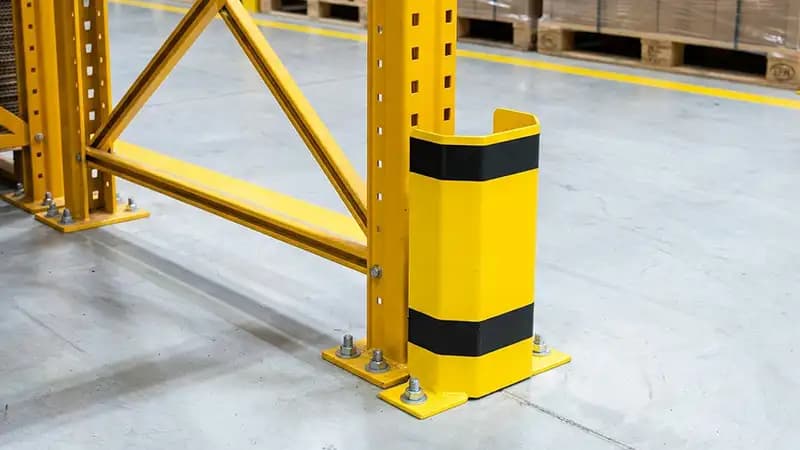
Fig 3.1: End-of-aisle protectors.
Why WDRACKS.com is Your Layout Partner
At WDRACKS.com, we don't just ship steel across the country.
- Custom Rack Selection: We supply everything from teardrop selective and heavy-duty cantilever to drive-in systems and structural mezzanines.
- Expert Layout Engineering: We map out aisles, calculate load limits, and ensure your layout maintains the necessary transverse and longitudinal flue spaces to pass fire inspections.
- Professional Installation: Our factory-certified crew handles the layout marking, upright assembly, plumbing, anchoring, and safety guarding.
Stop tripping over pallets and wasting valuable vertical space. Work with wdracks.com to design a high-density warehouse that works as hard as you do.
Ready to reclaim your warehouse floor? Contact wdracks.com today.
Julian Soto
Expert contributor at WDRACKS.
Related Guides
Warehouse Equipment Financing: Expand Your Storage Without Emptying Your Bank Account
Explore affordable warehouse equipment financing solutions to expand your storage capacity without sacrifizing your cash and budget.
Pallet Racking Safety: Spotting the Damage Before a Sudden, Catastrophic Rack Collapse
Warehouse pallet racking damage can drastically reduce load-bearing capacity and create risks. To prevent accidents and maintain OSHA compliance, facilities should conduct daily inspections to spot column deflections, bent bracing, and missing safety hardware.
Need Help Selecting Your Pallet Racking Layout?
Don't leave your warehouse efficiency to chance. WDRACKS.com's layout specialists provide FREE layout consultations to help you optimize storage density, forklift paths, and safety compliance.